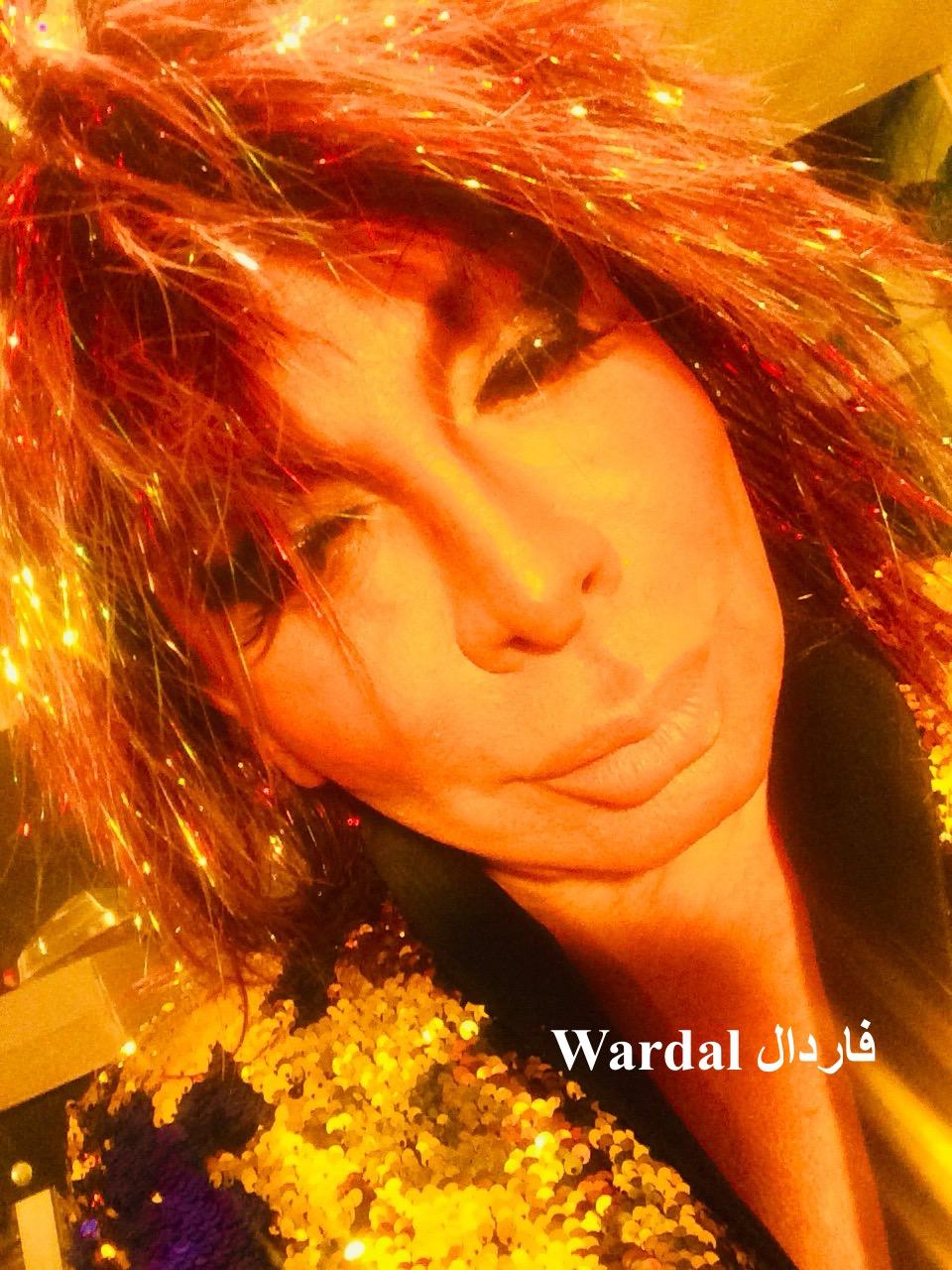

Ibrahim Shehata interviews Wardal about “transformation”
الثلاثاء 15-09-2026 18:26
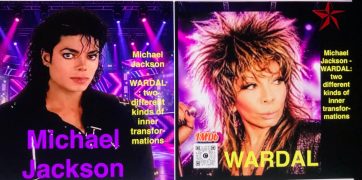
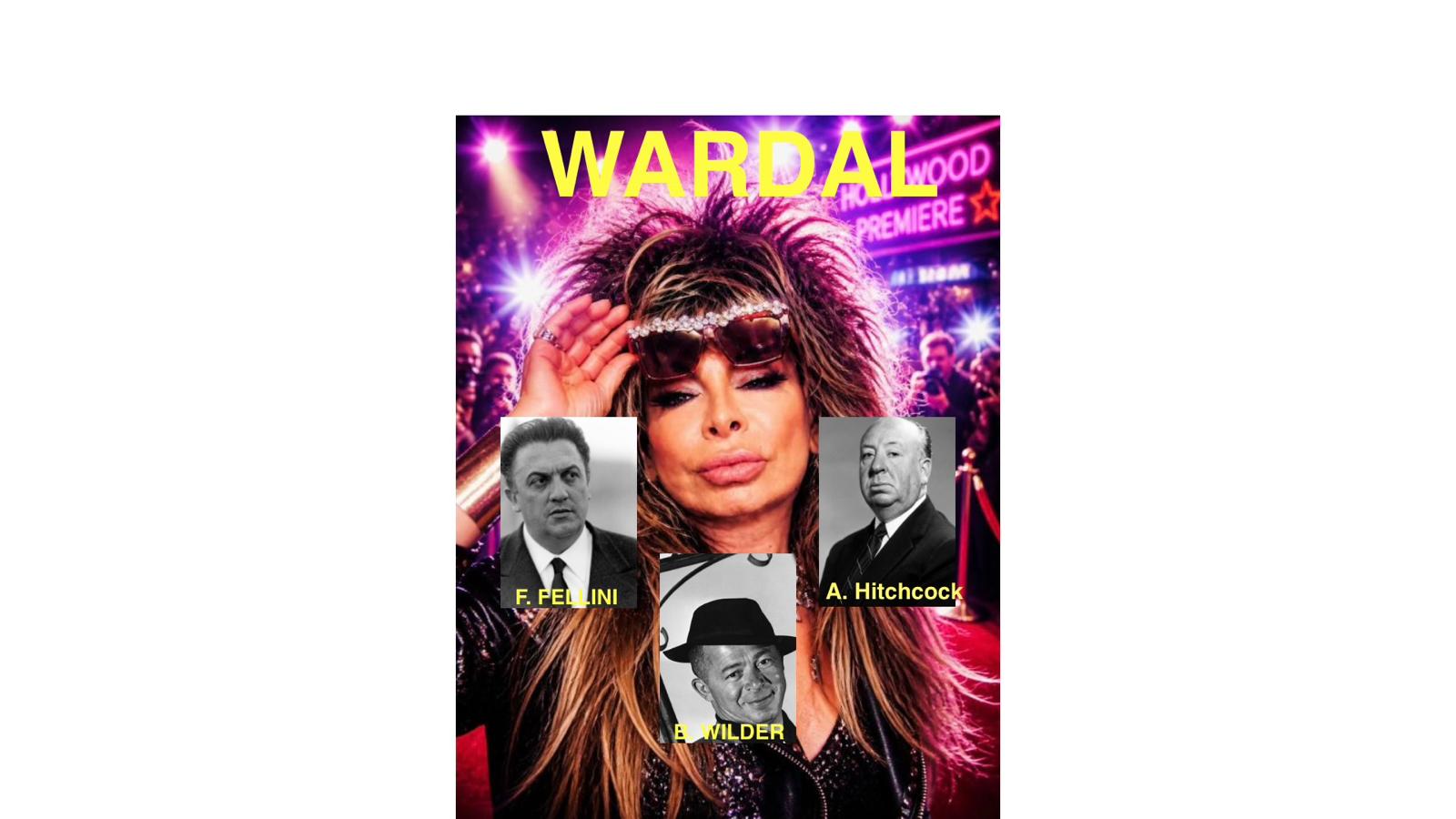
Q: Wardal , your name is connected with three film legends : Billy Wilder , Federico Fellini , Alfredo Hitchcock and you inspired them . And this is phenomenal since at that time you was just a boy .
W: the three of them gave me a lot .
Q : Did you talk to them about transformation?
W : Yes, art is always transformation.
Q: What was the relationship between you and Michael Jackson?
W: Perfect harmony, tight embraces, pure joy.
Q: You’re only talking about it now. Why?
W: It’s the right moment.
Q: Why?
W: Because it’s the right moment for the theme of transformation.
Q: What kind of transformation?
W: Going to the boundaries of one’s own self and bringing them closer to you.
Q: Cryptic!
W: Our self is cryptic to us, and only through a profound transformation can we listen to it more deeply in its essence.
Q: A major problem.
W: A human condition. Have you ever realized you got so many things wrong in your life? Well, that is the first step toward knowing yourself—which is transformation. Have you ever realized you did so many things right in your life? Well, that is the first step toward knowing yourself—which is transformation.
Q: For better or worse?
W: No, on the journey toward yourself. You have to find it; you were born to find it, and only you can find it. If you stray from your path, an alarm should go off. If it doesn’t, you are living a life that isn’t yours.
Q: Did you and Michael Jackson talk about this?
W: Yes.
Q: Was yours a difficult journey?
W: Mine was. As for his—only he knows.
Q: Did you often choose the wrong people?
W: I’ll speak for myself: yes, I chose the wrong people, but only through them was I able to “transform” and draw closer to myself.
Q: What does that mean?
W: I believe I have a self with invisible boundaries—they are so far away.
Q: Do you need the wrong people to move toward the boundaries of your self?
W: You need to suffer in order to go beyond. Overcoming—having the strength to overcome—lets you move beyond; it transforms you and allows you to be more truly yourself.
Q: They say you’ve transformed your fame into humanity.
W: Yes. Suddenly, I realized I was surrounded by people I didn’t know who loved me. They knew me through my fame. And I began to have a human connection with them.
Q: Wasn’t it a human connection before?
W: No, there was the barrier of being an idol—on both sides. Not anymore.
Q: And was it the same for Michael Jackson?
W: Those are very intimate, private matters. He achieved fame because he wanted to achieve fame.
Q: And you?
W: I achieved fame without wanting it.
Q: But how do you know if Michael Jackson wanted to achieve fame?
W: No, I shouldn’t have said that—my mistake. I can’t know what fame really meant to Michael Jackson.
Q: And to you?
W: It’s a need for love.
Q: Is that why fame led you toward humanity?
W: Yes.
Q: Do you have any film projects based on this theme?
W: Of course—three projects!
Q: Three projects?
W: Yes—not just one or two, but three, and they all came about at the same time. The first is titled Hollywood Golden Death; it’s the story of two very dramatic transformations.
The second project is Narcisse Fluid, directed by Jennifer Glee—a fairly self-explanatory title. The third project—though in this one I am only the lead actor—is Start on Market by Jason Zavaleta; it’s another story about the transformation of two beings.
Q: Is it their relationship that helps them through this process?
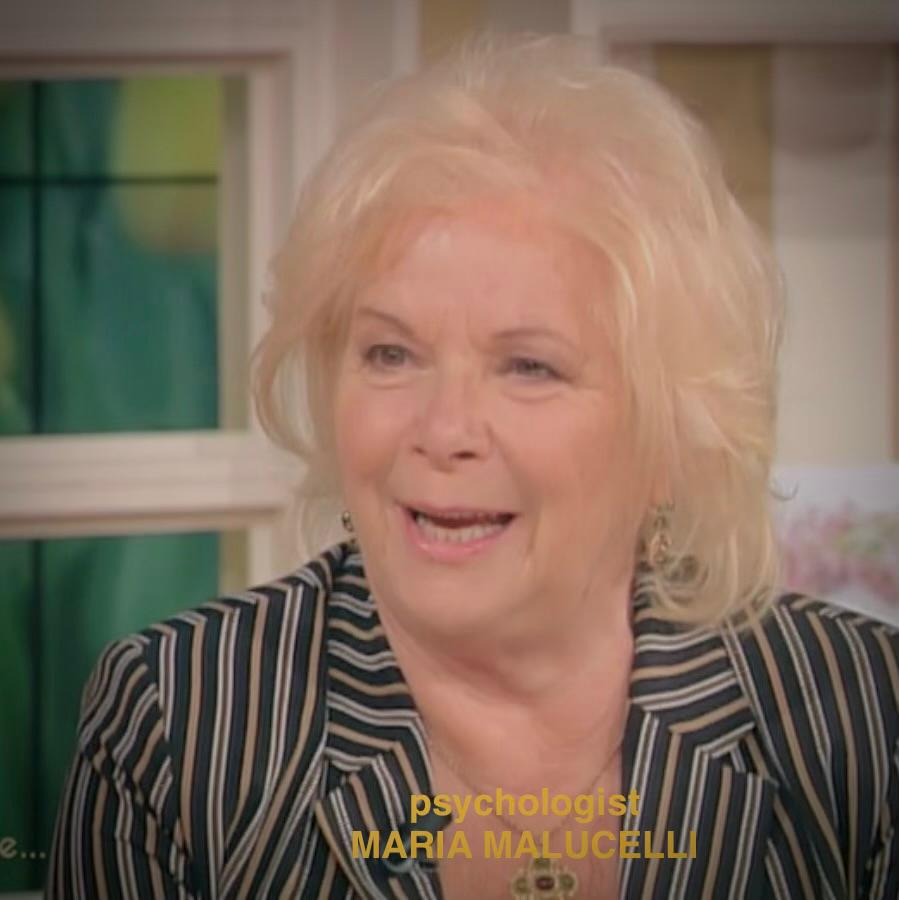
W: Yes, it’s their special relationship. For the first two projects, I need the invaluable collaboration of Maria Malucelli, a highly renowned and immensely talented psychologist in Italy.
Q: These are certainly three projects that will be of value to the world.